
Food Chemistry
Before discussing fats, it is useful to clarify what the term means in food chemistry. The word “fat” is used differently in everyday language and in chemistry. Although “fat” is often used…
 Halil İbrahim AkgülAssistant Professor · PhD

Food Chemistry
Proteins are the primary building material of organisms. Different proteins have different functions. If we think of the body as a building, we can compare each material or component—such as iron, bricks,…
Halil İbrahim AkgülAssistant Professor · PhD
Food Chemistry
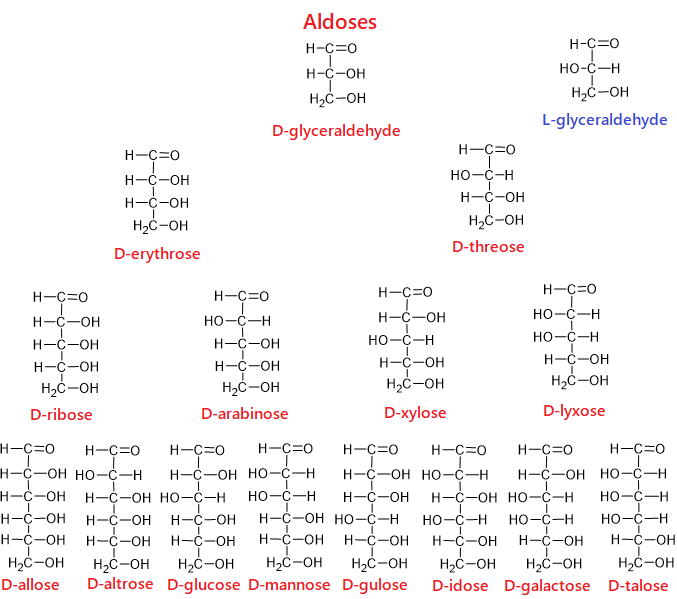
Carbohydrates are organic molecules consisting of carbon (C), hydrogen (H) and oxygen (O). Plants produce carbohydrates by using carbon dioxide and water through photosynthesis. While some of the carbohydrates produced are converted…
Halil İbrahim AkgülAssistant Professor · PhD
Food Chemistry
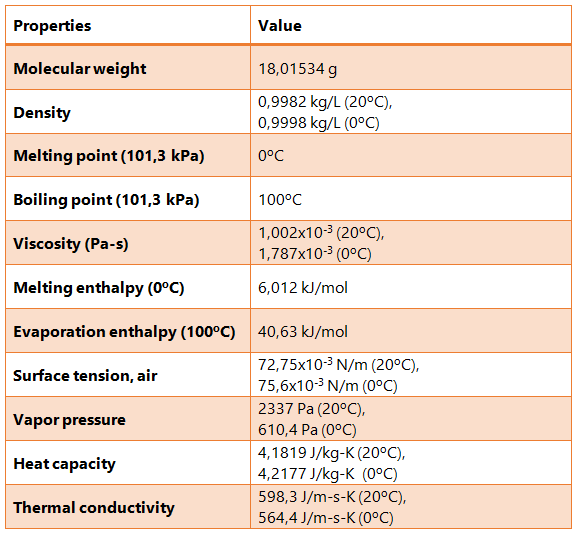
Some Characteristics of Water Water, one of the four fundamental components found in foods, is extremely important both because of its vital necessity in terms of nutrition and because of its influence…
Halil İbrahim AkgülAssistant Professor · PhD
Food Chemistry
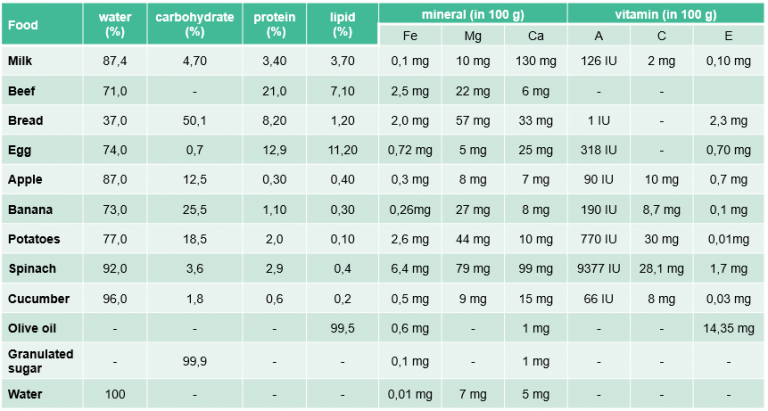
What is Food? The Turkish Language Association’s dictionary defines food as “any edible substance suitable for nourishment”. This definition, however, is not sufficient to describe food: taken literally, it does not account…
Halil İbrahim AkgülAssistant Professor · PhD
