
It is not possible to consume colostrum raw and it is not recommended. On the other hand, colostrum is a type of milk that does not tolerate heat very well. When heated, it curdles, solidifies and cannot be poured into a glass and drunk. In addition, the fact that colostrum has a heavier taste and aroma than milk also limits its consumption.
Colostrum contains molecules that are highly beneficial to health in its structure. For detailed information about the content and health benefits of colostrum, see; Colostrum; Composition, Characteristics and Health Benefits
Anatolia has 2-3 different methods of preparing colostrum for consumption. The most widely known and done of these is to cook it after adding sugar. It is a straightforward and easily applied method.
The following steps are applied in this method;
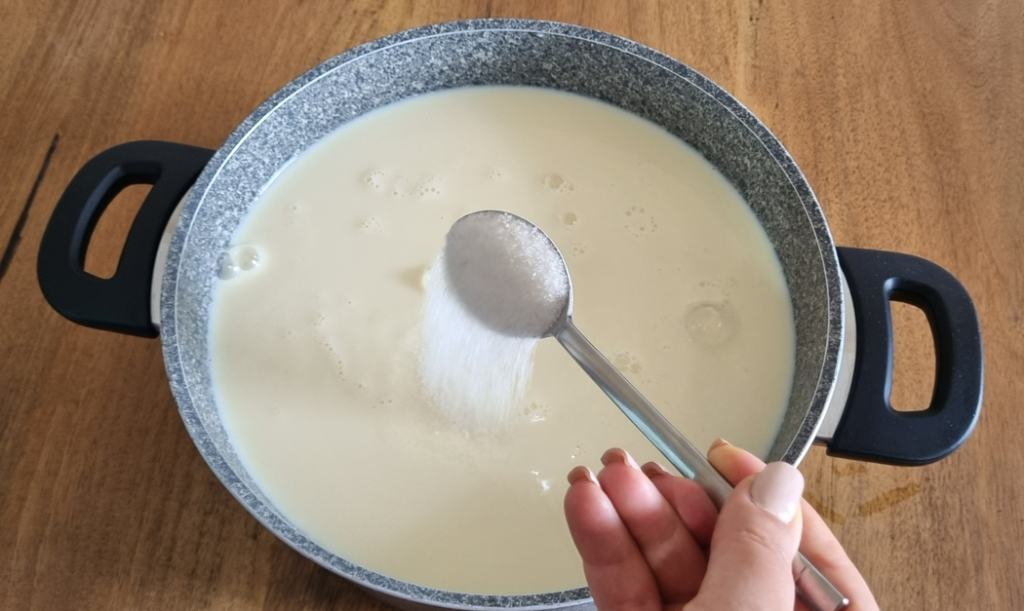
1. Put the colostrum in a suitable pot and add 2 or 3 tablespoons of granulated sugar per liter of colostrum. The amount of sugar can be increased or decreased as desired. I added 10 tablespoons of granulated sugar to about 4 liters of colostrum. Stir until the sugar is completely dissolved.
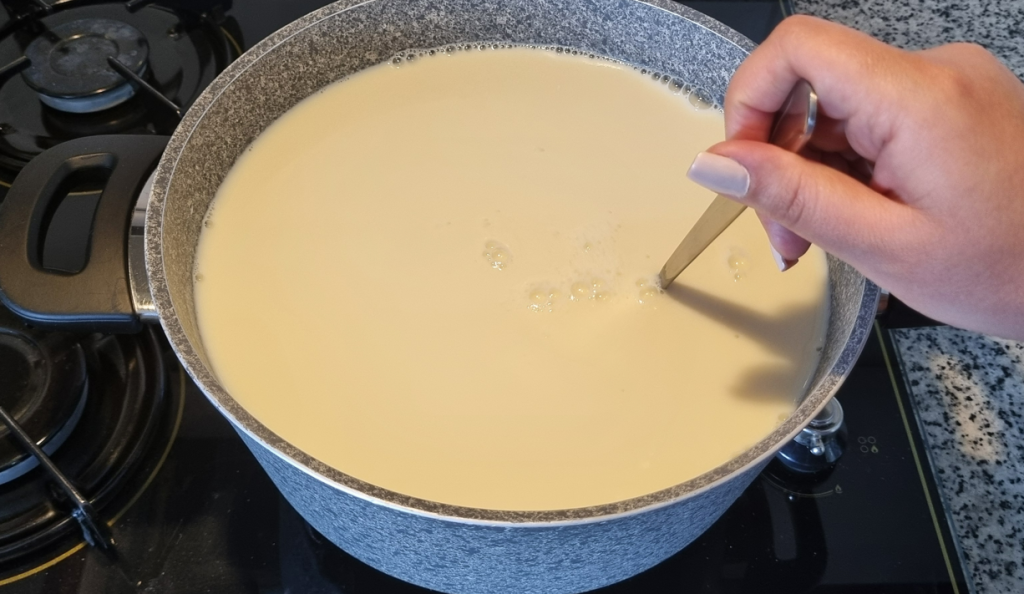
2. Place the pot on the smallest stove burner and turn the heat to medium. Some cook by placing the colostrum pot in another pot filled with enough water. In this method, the risk of the mixture sticking to the bottom is minimized. You can also use this method if you want. I place the colostrum pot directly on the fire. Stir occasionally to reduce sticking to the bottom of the pot.
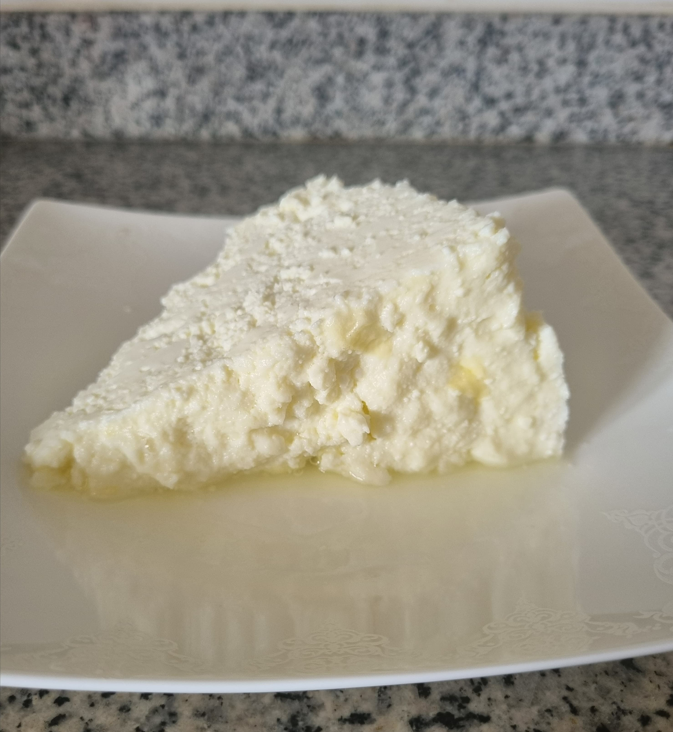
3. The colostrum solidifies as it is heated; this is quite normal. When it boils, it solidifies completely and releases some water. When the colostrum boils, reduce the heat to the lowest level and let it cook for another 15 minutes. Some allow it to simmer for 1 hour. Since the benefits of the colostrum decrease as it is exposed to more heat, I cook it for about 15 minutes.
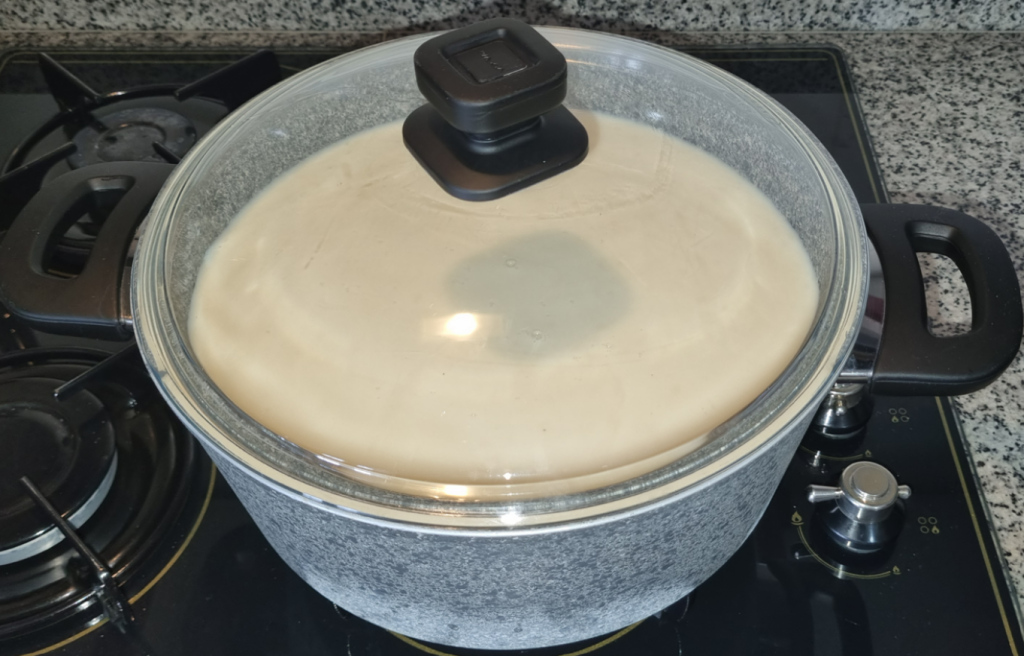
4. After 15 minutes, remove the pot from the stove and let it cool.
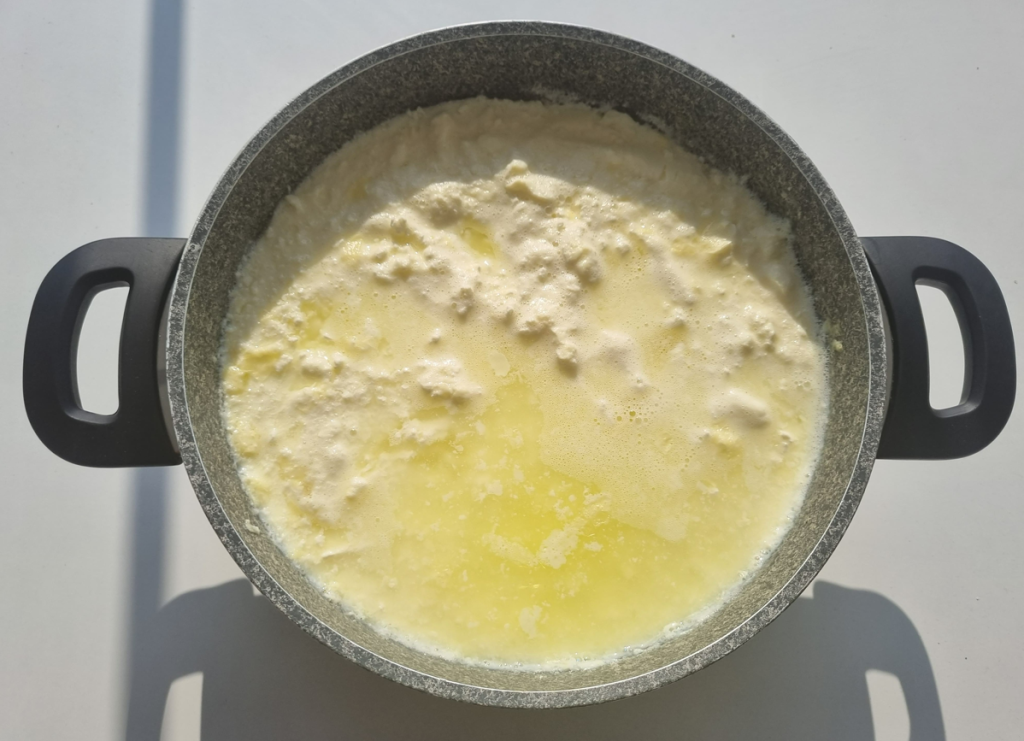
5. Once it has cooled completely, cut it into slices and it is ready to eat. Enjoy your meal.
Discover a wonderful milk dessert from Turkish cuisine; Sütlaç (The Rice Pudding) Recipe

Hatice Kübra Akgül
Food Engineer and Turkish Cuisine Expert… In addition to my background in food engineering, I have spent many years working on traditional Turkish cuisine. I combine authentic recipes with a scientific perspective and reliable food knowledge to create recipes that are practical, accessible, and easy to follow for readers of all ages. My work focuses on preserving the culinary heritage of Turkish cuisine while promoting nutritional value and clear, step-by-step guidance.