
Anxiety can be briefly defined as a disorder of excessive worry. While worry is a natural and necessary emotion, excessive worry may have negative consequences.

In developed countries, the prevalence of anxiety disorders is estimated to affect between 13.6% and 28.8% of the population. Although the underlying causes are not yet fully understood, it is known that various types of anxiety disorders exist.
Several studies have reported that deficiencies in vitamin D, B-group vitamins, and magnesium may be associated with anxiety. Additionally, caffeine has been shown to potentially exacerbate symptoms of anxiety.
In this context, the following nutrition-related observations emerge;
1. If the use of multivitamin supplements is being considered, many sources emphasize that this should not be done based on personal judgment alone. Instead, medical evaluation and blood tests to measure levels of vitamin D, magnesium, and B vitamins are suggested before initiating any supplementation.
2. Temporarily eliminating caffeine intake for 3–4 weeks has been reported as potentially helpful in managing anxiety symptoms. Caffeine is present in coffee, tea, cola, and energy drinks, and in smaller amounts in cocoa and chocolate. Caffeine withdrawal may cause symptoms such as headaches for 7 to 10 days. However, even very small amounts of caffeine intake may be enough to trigger anxiety.
3. Incorporating high-quality protein sources into the diet is often mentioned as potentially beneficial. Examples of such foods include eggs, cheese and other dairy products, and meat. (For detailed information about proteins, see Proteins; Functions in the Body, Quality and Daily Needs)
4. Reducing the consumption of granulated sugar, sugar cubes, and high-sugar foods is frequently emphasized. Limiting energy drink consumption may also be considered within this scope.
5. Foods rich in vitamin D include fish oil, egg yolk, butter, cultivated mushrooms, and full-fat dairy products. Regular consumption of these foods may support vitamin D levels. Moreover, it is known that the body can synthesize vitamin D through sun exposure, with 15–30 minutes of daily direct sunlight exposure described as potentially sufficient. (For detailed information about vitamin D, see All Vitamins; Functions, Daily Needs and Rich Foods)
6. Bread made with whole wheat flour and sourdough is rich in B-group vitamins and may be considered a valuable part of the diet in this context.
7. Magnesium is naturally present in many foods, especially those containing chlorophyll. When a balanced and consistent diet is followed, magnesium deficiency is rare. However, individuals with irregular or insufficient eating patterns are more likely to have magnesium levels below the recommended range. Additionally, increased calcium and vitamin D intake, along with intense stress, may raise the body’s need for magnesium. (For detailed information about magnesium, see All Minerals; Functions, Daily Needs and Rich Foods)
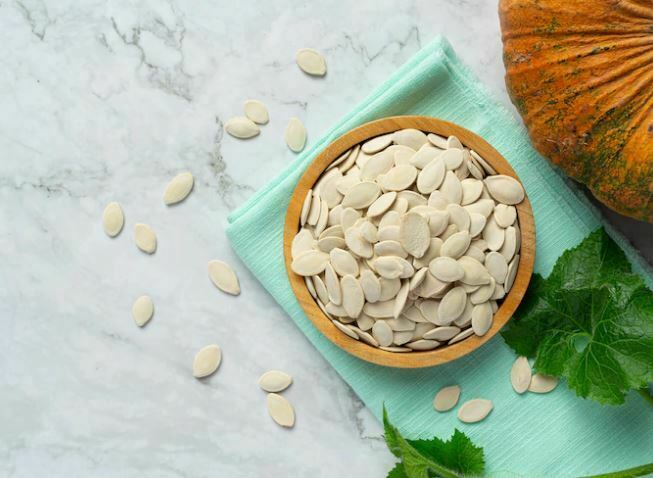
Although tea and coffee contain notable amounts of magnesium, their caffeine content makes them less suitable as magnesium sources in the context of anxiety. Instead, pumpkin seeds and almonds are often noted as reliable magnesium sources.
8. For those who consume alcohol, reducing or eliminating intake may contribute to positive outcomes based on several findings.
9. The sense of happiness is linked to the hormone serotonin. Approximately 92% of serotonin is produced in the gut. Therefore, individuals experiencing digestive or intestinal issues are encouraged to seek medical attention. Gut health may play a significant role in mental well-being, including anxiety.
The following observations relate specifically to nutrition and gut health;
10. Consuming probiotic-rich foods has been associated with improved gut health. Examples of natural probiotic sources include homemade or village-style yogurt, kefir, aged cheeses, ayran, butter, boza (a fermented drink), and pickles.
11. Drinking at least 2 liters of water daily is considered important for maintaining fluid balance in the body. Depending on activity level and climate conditions, this amount may rise to 3 liters per day.
12. Consuming appropriate amounts of dietary fiber may support digestive and intestinal health. A daily fiber intake of 20–27 grams is frequently cited as beneficial. Fiber-rich foods include: white beans (17 g), soybeans (15 g), almonds (11 g), whole wheat bread (11 g), eggplant (6 g), kiwi (3 g), and apples (2 g). (Values indicate fiber content per 100 grams of food.)
However, fiber intake above 50 grams per day may impair the absorption of vitamins, minerals, and other nutrients, potentially leading to health problems. Therefore, maintaining fiber intake within the range of 20–27 grams per day is generally recommended.
13. The observations shared above should be considered within the framework of a regular and balanced diet. This includes consuming animal products, vegetables, and fruits in a timely, moderate, and proportionate manner.
Maintaining a balanced and consistent diet is important not only in the context of anxiety but also for overall physical health. In addition to nutrition, paying attention to sleep quality may also contribute positively. These scientific findings may serve as a reference for individuals evaluating their nutritional routines.
The most effective course of action is to consult a qualified medical professional and follow individualized recommendations based on clinical evaluation.
Wishing you health and peace.
Note: This article is a general informational text based on scientific research and reliable sources. It is not a substitute for medical advice or personalized nutritional guidance. For matters related to your individual health condition, it is recommended to consult a healthcare professional or a registered dietitian.
This article may also interest you; Quality Characteristics That Drinking Water Should Have
References
Raymond, J. L., & Morrow, K. (2023). Krause ve Mahan Besin ve Beslenme Bakım Süreci (16. baskı; G. Akbulut, Çev. Ed.). Nobel Tıp Kitabevleri.
Saldamlı, İ. (Ed.). (2021). Gıda Kimyası. Hacettepe Üniversitesi Yayınları.
National Institute of Mental Health. (2024). Anxiety Disorders.
Liu, C., Wang, L., Zhang, C., Hu, Z., Tang, J., Xue, J., & Lu, W. (2024). Caffeine intake and anxiety: a meta-analysis. Frontiers in Psychology, 15, 1270246.
Boyle, N. B., Lawton, C., & Dye, L. (2017). The effects of magnesium supplementation on subjective anxiety and stress—A systematic review. Nutrients, 9(5), 429.
National Institutes of Health, Office of Dietary Supplements. (2025). Vitamin D: Fact Sheet for Health Professionals.
National Institutes of Health, Office of Dietary Supplements. (2026). Magnesium: Fact Sheet for Health Professionals.

Halil İbrahim Akgül
Halil Ibrahim Akgul, Ph.D., is an Assistant Professor of Food Engineering at Bayburt University, where he works in the Division of Food Sciences within the Faculty of Engineering. He received his B.Sc. in Food Engineering from Akdeniz University in 2010, followed by an M.Sc. and a Ph.D. in Food Engineering from Atatürk University in 2015 and 2020, respectively. His formally recognised academic fields are Food Sciences and Engineering, Food Technologies, Dairy and Dairy Products Technology, and Food Microbiology.
Dr. Akgul has more than fifteen years of professional, research, and academic experience in food science. Between 2011 and 2013, he worked as the food engineer responsible for operations at the Pilot Dairy and Bread Factory of Atatürk University’s Directorate of Agricultural Enterprises. This industrial experience, combined with his subsequent academic research, gave him extensive practical and scientific knowledge of milk processing, dairy production, food quality, hygiene, and product development.
His research is primarily focused on milk and dairy products, dairy microbiology, starter cultures, lactic acid bacteria, exopolysaccharides, butter technology, and the physicochemical, microbiological, sensory, and nutritional properties of foods. His studies have examined the quality and fatty-acid composition of traditional butter, aroma formation in butter produced with different starter cultures, raw-milk quality, the characterisation and antioxidant activity of bacterial exopolysaccharides, traditional dairy products such as çökelek and karın kaymağı, colostrum powder, and the use of fruit-derived ingredients in ice cream production.
His academic record includes peer-reviewed research articles published in national and international journals, including Mljekarstvo, Acta Scientiarum Technology, the Journal of Food Safety and Food Quality, the International Journal of Food Engineering, the Atatürk University Journal of Agricultural Faculty, and ATA Food Journal. Four of the research articles currently listed in his university profile were published in SCI-Expanded-indexed journals. He has also contributed to twelve national and international conference papers and presentations covering dairy products, food microbiology, butter quality, fatty-acid composition, starter cultures, exopolysaccharide-producing bacteria, colostrum, traditional foods, and functional ice-cream formulations.
Dr. Akgul has participated as a researcher or adviser in eleven completed scientific and applied research projects. These projects have addressed the modernisation of pilot dairy-processing facilities; the production and quality characteristics of colostrum powder; the physicochemical and microbiological quality of butter and raw milk; the identification of exopolysaccharide-producing lactic acid bacteria; the development and production optimisation of starter cultures for mould-ripened cheese; the standardisation of traditional dairy products; and the use of sloe berry and persimmon fibre in ice-cream production.
His teaching experience spans undergraduate, associate-degree, and graduate education. The courses he has taught include Food Chemistry, Analytical Chemistry, General Chemistry, Organic Chemistry, Fermented Dairy Products Technology, Butter Production and Processing Technology, Healthy Living and Nutrition, Organic Agriculture and Food, Popular Science, Digital Literacy, and Information Technologies. Through these courses, he combines fundamental food chemistry and engineering principles with dairy technology, nutrition, scientific literacy, and the practical communication of scientific knowledge.
He is the founder and Editor-in-Chief of Gıda ve Sağlık, a multilingual digital publication devoted to food, nutrition, health, food chemistry, food microbiology, and culinary science. Through this platform, he draws upon his academic background, teaching experience, research activity, and practical knowledge of food production to present scientifically grounded information in a detailed and accessible form for an international readership.