
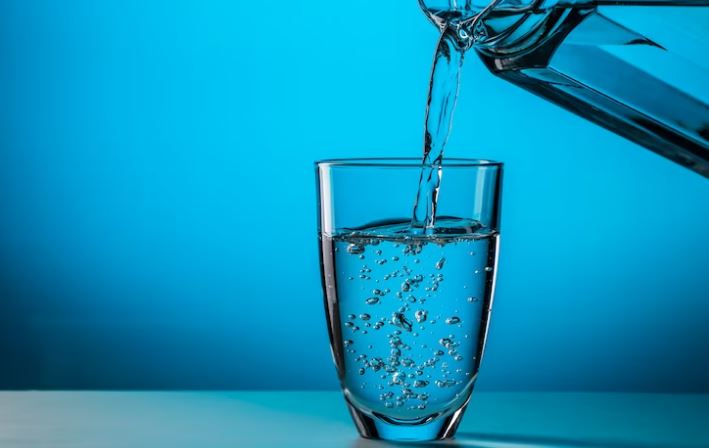
Although humanity has made considerable progress toward civilization, ensuring that everyone has access to drinking water remains one of the world’s major challenges.
According to the report published by WHO and UNICEF in 2025, covering data for 2024, approximately one in four people worldwide, or 2.1 billion people, lack access to safely managed drinking-water services (WHO and UNICEF, 2025). As a result, deaths and serious health problems occur. The water hardness is also very important in terms of usage, even if it is not for health.
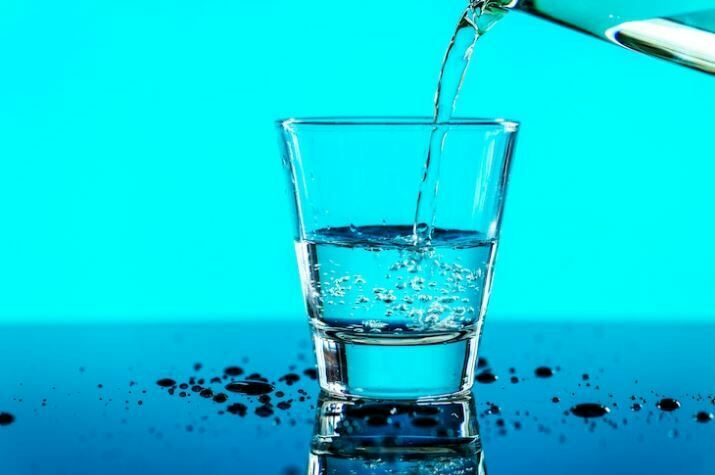
For water to be drinkable, it must have certain characteristics and a certain quality. The sensory appearance of the water as clean and clear may evoke the perception that water is drinkable.
However, at its simplest, seawater, however clean and clear it may appear, is not drinkable. Therefore, measuring potable water quality is possible not only by appearance but by testing many other criteria.
The World Health Organization (WHO), the European Union (EU) and the US Environmental Protection Agency (EPA) define drinking-water quality criteria internationally. In Türkiye, these criteria are determined by the Turkish Standards Institute (TSE) and the Public Health Institution of Türkiye.
Although it is evaluated under different topics by different institutions, it would be more reasonable to evaluate the quality criteria of drinking water under 4 headings.
1. Sensory Criteria of Water
The first condition for drinkable water is that it has good sensory properties. What is meant by sensory characteristics are color, smell, taste and clarity of the water. The water should be colorless and odorless.
If water has a color or an odor, this means that it contains metal ions or a significant quantity of microorganisms. Water should have its characteristic taste and should not taste bitter, salty or sour.
Likewise, the water should not be cloudy. Turbidity in water is caused by particles suspended in the water. These particles can be clay, microorganisms, organic or inorganic substances.
Regardless of the cause, cloudy water is not drinkable. Turbidity can be detected both visually and instrumentally and it has certain limits as stated below.
Sensory criteria are an important way to understand whether water is potable without any instrumental analysis; however, it is not sufficient on its own to make a decision.
Water without appropriate sensory properties is excluded from use as drinking water. Water with suitable sensory properties must still be assessed against the other criteria.
2. Physical and Chemical Criteria of Water
pH of Water
pH is the parameter that shows whether the water is acidic or basic. Water above pH 7.0 is basic, while those below 7.0 are acidic. Pure water has a pH of 7 and is therefore neutral.
The presence of minerals (dissolution of ions) in the water changes the pH and character of the water. By nature, water is either acidic or basic, depending on the types and amounts of dissolved ions.
In general, the pH of healthy drinking water is between 6.5 and 9.5. However, it is desirable that the water be somewhat basic. Because acidic water, especially below pH 6.5, is corrosive and acidic water corrodes transport pipes and thus metal ions mix with the water.
Another aspect of pH in drinking water is its use as an indicator of mineral richness. Provided that pH does not exceed 9.5, increasing basicity, depending on the mineral composition, can be used as an indication of higher quality and nutritional value.
If the water has a pH higher than 9.5, it causes a worsening of the taste and a slippery feeling. On the other hand, pH outside the 6.5-9.5 limits indicates pollution.
Water Hardness
Water hardness is defined as the concentration of ions with a valency of two or more, such as Mg2+ and Ca2+, expressed in mmol/L. In other words, it refers to the dissolved salts formed by calcium and magnesium with carbonate (CO3), bicarbonate (HCO3) and sulfate (SO4). These salts enter the water as it passes through soil and rock underground.
In general, the hardness caused by carbonate and bicarbonate salts of calcium and magnesium (CaCO3, MgCO3, Ca(HCO3)2, and Mg(HCO3)2) is called “temporary hardness”, and the hardness caused by sulfate salts (CaSO4 and MgSO4) is called “permanent hardness.” The sum of temporary and permanent hardness is expressed as “total hardness.”
Hardness caused by calcium and magnesium carbonate and bicarbonate salts is termed temporary because it can be removed by boiling the water or adding slaked lime (Ca(OH)2, calcium hydroxide). Scale formation in teapots is a familiar example of temporary hardness being removed (NIOSH, 2019).
Permanent hardness cannot be removed by heating the water or adding slaked lime to the water. Permanent hardness can nevertheless be removed. Na2CO3 is added to the water to remove permanent hardness.
Currently, the consensus within the scientific community is that hard water is not harmful to health. The World Health Organization (WHO) declared at the Geneva Conference that hard water has no known adverse health effects.
Moreover, some researchers argue that hard water is a rich source of calcium and magnesium. In fact, there are scientific studies that report that hard water is good for cardiovascular diseases and some types of cancer.
On the other hand, some studies show that hard water has no or very low effect on kidney stone formation. As a result, the data on the possible effects of water hardness on health is not sufficient for now and studies and discussions in this direction continue at full speed.
Therefore, there is currently insufficient data to recommend a minimum or maximum mineral concentration for health related to water hardness and therefore no guideline values are recommended.
Researcher Sengupta’s review titled “Potential Health Impacts of Hard Water” published in the International Journal of Preventive Medicine stands out as a very useful and must-see study in terms of summarizing the point reached by scientific studies on this subject.
Different units are used to measure the hardness of the water. These units are;
French Degree of Hardness -1of = 10 mg CaCO3/liter 8.4 mg MgCO3/liter
British degree of hardness: 1°e = 14.3 mg/L as CaCO3 (approximately 12.0 mg/L as MgCO3).
German degree of hardness: 1°dH = 17.8 mg/L as CaCO3 (approximately 15.0 mg/L as MgCO3) (Hem, 1985).
American Hardness = 50 mg CaCO3/liter 42 mg MgCO3/liter
Classification of water hardness
| Water Hardness | According to the French degree of hardness | According to the German degree of hardness | According to the British degree of hardness |
| Soft | 7-14 | 4-8 | 5-10 |
| Slightly Hard | 14-22 | 8-12 | 10-15 |
| Hard | 22-32 | 12-18 | 15-22 |
| Very Hard | 32-54 | 18-30 | 22-35 |
In Türkiye, water hardness is expressed in French degrees (°f), and water is classified accordingly. In general, it is recommended that the hardness of drinking water in Türkiye should not exceed 12 °f.
In general, in the evaluation according to the amount of ions in the water, the total concentration of Mg+2 and Ca+2 ions;
• “Soft” if it is less than 0.6 mmol/liter,
• “Slightly hard” if it is between 0.6-1.2 mmol/liter,
• “Hard” if it is between 1.2-1.8 mmol/liter,
• More than 1.8 mmol/liter is classified as “very hard.”
Another classification in terms of quantity is as follows;
• “Soft” if there is calcium carbonate (CaCO3) between 0-60 mg/liter in the water,
• “Partly hard” if calcium carbonate (CaCO3) is between 61-120 mg/liter,
• If there is calcium carbonate (CaCO3) between 121-180 mg/liter, it is classified as “hard.”
If the amount of calcium carbonate (CaCO3) in the water is more than 100 mg/liter, corrosion and scale formation; If it is more than 500 mg/liter, taste and flavor problems occur in meals and beverages.
Although there are discussions about the effects of water hardness on health, it can be said that the use of hard water in cleaning causes problems such as skin dryness, hair loss and dandruff formation in the hair.
On the other hand, as a result of the use of hard water other than drinking water, if hard water is used in food and beverage production, it causes undesirable taste formation, hardening of vegetables and delayed cooking.
The use of hard water in cleaning reduces lather formation and shortens the life of the washed clothes. Hard water causes limescale buildup in the dishwasher, washing machines, sanitary water system and heating system.
Conductivity
Measuring the conductivity of water is another way to determine the amount of ions dissolved in the water. As mentioned earlier, pure water is neutral and does not conduct electricity.
As the amount of ions dissolved in water increases, the conductivity naturally increases. Therefore, if the amount of conductivity is measured, the amount of pollution in the water will also be measured. The conductivity of drinking water should be a maximum of 2500 µS/cm at 20oC.
Turbidity
Sensorially observable turbidity was mentioned above. Turbidity can be caused by inorganic and organic substances, microorganisms and particles such as clay suspended in the water.
Instrumentally, the turbidity of the water should be a maximum of 5-25 NTU (nephelometric turbidity units) (some accept standard 5 NTU, some accept 25 NTU as standard).
Pesticide Residue
Pesticides are chemicals used in agriculture to combat agricultural pests. They may be mixed with drinking water during underground activities.
Because of the serious health hazards of pesticides, it is extremely important to monitor their possible admixture into drinking water.
The term pesticide includes insecticides, herbicides, fungicides, nematocides, acaricides, algaecides, rodenticides and their associated products (growth controllers, among others) and their associated metabolites, degradation or reaction products.
In the Ministry of Health’s Water Intended for Human Consumption Regulation, the highest amount of pesticide allowed in drinking water is 0.10 µg/liter. Among these, the limit value for aldrin, dieldrin, heptachlor and heptachlor epoxide is 0.030 µg/liter. The limit value of the total pesticide amount is 0.50 µg/liter.
Other Chemical Criteria
Many different contaminants from many different sources can enter drinking water. The limit values for the substances in question to be found in drinking water are as follows;
| Material | Limit value (in a liter of water) |
|---|---|
| Acrylamide | 0.1 µg |
| Chloride | 250.0 mg |
| Free chlorine | 0.5 mg |
| Ammonium | 0.5 mg |
| Sulfate | 250.0 mg |
| Iron | 0.2 mg |
| Aluminum | 0.2 mg |
| Sodium | 200 mg |
| Antimony | 5.0 µg |
| Arsenic | 10.0 µg |
| Benzene | 1.0 µg |
| Benzo (a) pyrene | 0.010 µg |
| Boron | 1.0 mg |
| Bromate | 10.0 µg |
| Cadmium | 5.0 µg |
| Chromium | 50.0 µg |
| Copper | 2.0 mg |
| Manganese | 50.0 µg |
| Cyanide | 50.0 µg |
| 1.2-dichloroethane | 3.0 µg |
| Epichlorohydrin | 0.10 µg |
| Fluoride | 1.5 mg |
| Lead | 10.0 µg |
| Mercury | 1.0 µg |
| Nickel | 20.0 µg |
| Nitrate | 50.0 mg |
| Nitrite | 0.50 mg |
| Polycyclic aromatic hydrocarbons (PAH) | 0.10 µg |
| Selenium | 10.0 µg |
| Tetrachloroethene and trichloroethene | 10.0 µg |
| Trihalomethanes-total | 100.0 µg |
| Vinyl chloride (VC) | 0.50 µg |
3. Microbiological criteria
The presence of microorganisms in drinking water is an extremely risky situation for health. Naturally, controlling the presence of microorganisms in drinking water is of critical importance.
Adding chlorine to drinking water, known as “chlorination” in society, is done to kill microorganisms in the water.
In this context,
• In analyses made in 250 milliliters of drinking water, E. coli, Enterococcus, Coliform bacteria and P. aeruginosa strain bacteria,
• Sulfite-reducing bacteria with anaerobic spores in 50 milliliters,
• Pathogenic staphylococci in 100 milliliters,
• 5 liters should not contain parasites.
4. Radiological criteria
The monitoring of radioactivity in drinking water is of critical importance not only in terms of individual and public health but also in terms of the health of generations and the functioning of nature.
In this context, Tritium in drinking water is accepted as 100 Bq/liter and the total indicative dose is 0.10 mSv/year as the limit value. According to the Turkish Standards Institute, TS 266 Drinking Water Standards, 0.037 Bq/liter for alpha activity and 0.37 Bq/liter for the beta activity of drinking water are accepted as limit values.
References
Saldamlı, İ. (Ed.). (2021). Gıda Kimyası. Hacettepe Üniversitesi Yayınları.
Raymond, J. L., & Morrow, K. (2023). Krause ve Mahan Besin ve Beslenme Bakım Süreci (16. baskı; G. Akbulut, Çev. Ed.). Nobel Tıp Kitabevleri.
Sencer, E., & Orhan, Y. (2005). Beslenme. İstanbul Medikal Yayıncılık.
Aksoy, M. (Ed.). (2022). Beslenme Biyokimyası (7. baskı). Ankara Nobel Tıp Kitabevleri.
Erkmen, O. (Ed.). (2021). Gıda Mikrobiyolojisi (6. baskı). Efil Yayınevi.
World Health Organization. (2026). Guidelines for drinking-water quality: fourth edition incorporating the first, second and third addenda.
United States Environmental Protection Agency. (2026). Drinking Water Regulations.
Türkiye Cumhuriyeti Sağlık Bakanlığı. (2005). İnsani Tüketim Amaçlı Sular Hakkında Yönetmelik. Resmî Gazete, 17 Şubat 2005, Sayı 25730.
Sengupta, P. (2013). Potential health impacts of hard water. International Journal of Preventive Medicine, 4(8), 866–875.
World Health Organization. (2011). Hardness in Drinking-water: Background document for development of WHO Guidelines for Drinking-water Quality.
Hem, J. D. (1985). Study and interpretation of the chemical characteristics of natural water (3rd ed.). U.S. Geological Survey, Water-Supply Paper 2254.
World Health Organization & UNICEF. (2025). 1 in 4 people globally still lack access to safe drinking water – WHO, UNICEF.
National Institute for Occupational Safety and Health. (2019). NIOSH Pocket Guide to Chemical Hazards: Calcium hydroxide.

Halil İbrahim Akgül
Halil Ibrahim Akgul, Ph.D., is an Assistant Professor of Food Engineering at Bayburt University, where he works in the Division of Food Sciences within the Faculty of Engineering. He received his B.Sc. in Food Engineering from Akdeniz University in 2010, followed by an M.Sc. and a Ph.D. in Food Engineering from Atatürk University in 2015 and 2020, respectively. His formally recognised academic fields are Food Sciences and Engineering, Food Technologies, Dairy and Dairy Products Technology, and Food Microbiology.
Dr. Akgul has more than fifteen years of professional, research, and academic experience in food science. Between 2011 and 2013, he worked as the food engineer responsible for operations at the Pilot Dairy and Bread Factory of Atatürk University’s Directorate of Agricultural Enterprises. This industrial experience, combined with his subsequent academic research, gave him extensive practical and scientific knowledge of milk processing, dairy production, food quality, hygiene, and product development.
His research is primarily focused on milk and dairy products, dairy microbiology, starter cultures, lactic acid bacteria, exopolysaccharides, butter technology, and the physicochemical, microbiological, sensory, and nutritional properties of foods. His studies have examined the quality and fatty-acid composition of traditional butter, aroma formation in butter produced with different starter cultures, raw-milk quality, the characterisation and antioxidant activity of bacterial exopolysaccharides, traditional dairy products such as çökelek and karın kaymağı, colostrum powder, and the use of fruit-derived ingredients in ice cream production.
His academic record includes peer-reviewed research articles published in national and international journals, including Mljekarstvo, Acta Scientiarum Technology, the Journal of Food Safety and Food Quality, the International Journal of Food Engineering, the Atatürk University Journal of Agricultural Faculty, and ATA Food Journal. Four of the research articles currently listed in his university profile were published in SCI-Expanded-indexed journals. He has also contributed to twelve national and international conference papers and presentations covering dairy products, food microbiology, butter quality, fatty-acid composition, starter cultures, exopolysaccharide-producing bacteria, colostrum, traditional foods, and functional ice-cream formulations.
Dr. Akgul has participated as a researcher or adviser in eleven completed scientific and applied research projects. These projects have addressed the modernisation of pilot dairy-processing facilities; the production and quality characteristics of colostrum powder; the physicochemical and microbiological quality of butter and raw milk; the identification of exopolysaccharide-producing lactic acid bacteria; the development and production optimisation of starter cultures for mould-ripened cheese; the standardisation of traditional dairy products; and the use of sloe berry and persimmon fibre in ice-cream production.
His teaching experience spans undergraduate, associate-degree, and graduate education. The courses he has taught include Food Chemistry, Analytical Chemistry, General Chemistry, Organic Chemistry, Fermented Dairy Products Technology, Butter Production and Processing Technology, Healthy Living and Nutrition, Organic Agriculture and Food, Popular Science, Digital Literacy, and Information Technologies. Through these courses, he combines fundamental food chemistry and engineering principles with dairy technology, nutrition, scientific literacy, and the practical communication of scientific knowledge.
He is the founder and Editor-in-Chief of Gıda ve Sağlık, a multilingual digital publication devoted to food, nutrition, health, food chemistry, food microbiology, and culinary science. Through this platform, he draws upon his academic background, teaching experience, research activity, and practical knowledge of food production to present scientifically grounded information in a detailed and accessible form for an international readership.