
To define underweight, overweight and obesity, it is first necessary to understand what “normal” means for the body. In a normal body composition, energy intake from food and energy expenditure are approximately equal, and body fat accounts for 8–15% of body weight in men and 15–22% in women.
Underweight and overweight generally result from an imbalance between energy intake and expenditure. This imbalance may be related to an inappropriate diet or to other factors such as illness, genetic predisposition, stress and lifestyle.
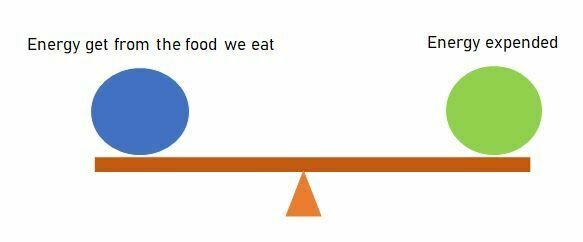
Like overweight, underweight does not develop from a single day of energy imbalance. It results from a recurring imbalance maintained over time alongside the same lifestyle.
Eating more than needed at one meal or on one day can be offset by eating less or being more physically active at other meals or on other days. Likewise, an energy deficit caused by eating too little or exerting considerable effort can be compensated for on subsequent days.
For example, Formula 1 drivers lose close to 2 kilograms during a race. However, they do not become underweight because their nutrition programs are designed to compensate for this loss.
Determination of Weight Status
Although overweight and underweight can be subjective concepts in everyday life, they can be assessed using specific criteria. Two of the most practical are body mass index and waist and hip circumference measurements.
1. Body Mass Index (BMI)
Body mass index is the ratio of an individual’s body weight to height and is used in individuals aged 19 and over. An individual can calculate his own body mass index with the following formula;
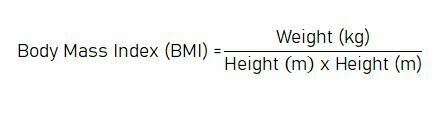
For example, the BMI of a person weighing 80 kg and measuring 1.75 m is:
= 80 / (1.75 x 1.75)
= 26.12
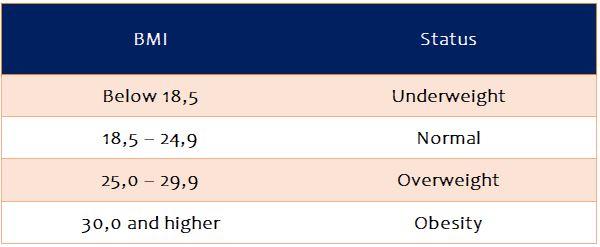
According to body mass index, weight status is defined in the table below. Accordingly, those with a BMI below 18.5 are underweight; Those between 25 and 30 are overweight; Those over 30 are classified as obese.
2. Evaluation According to Waist and Hip Circumference
The measurement of waist and hip circumferences is a very practical and useful method for measuring obesity and being underweight since they are the areas where fat is stored in the body.
A waist circumference of more than 94 cm in men is considered risky for health. A waist circumference of more than 102 cm poses a high health risk.
A waist circumference of more than 80 cm in women is considered risky for health. A waist circumference of more than 88 cm poses a high health risk.
Not only waist measurement but also the ratio of waist and hip measurement is frequently used as a risk indicator. For this purpose, waist circumference (cm) is divided by hip circumference (cm);
= Waist (cm) / Hip (cm)
This value should not exceed 0.8 for women and 1.0 for men. Having values higher than these is considered a risk factor for diabetes and cardiovascular diseases.
Being Overweight and Obesity
Overweight and obesity develop when energy intake from food routinely exceeds energy expenditure. Obesity can be described as a more advanced degree of excess weight.
The body stores unused energy as fat, increasing the amount of adipose tissue. The greater the gap between energy intake and expenditure, and the longer it persists, the greater the degree of excess weight.

It would not be a mistake if it were said that “obesity is the problem of our age.” The convenience that technology has provided to human life has inevitably brought the problem of being overweight and obesity on a global scale.
The relatively easy availability of food, the industrial revolution and technological development have had a double effect: increasing food consumption while reducing physical activity, thereby contributing to obesity.
Until roughly 70 years ago, many people worked in farming, travelled on foot or horseback, and relied on muscle power for their work. Fast food and energy-rich sugary drinks were not part of the diet, and obtaining food was relatively difficult.
Energy from food was therefore only just sufficient to meet the demands of daily work. Today, lifestyles have changed radically, and this change has substantially increased the prevalence of obesity.
Worldwide, obesity has nearly tripled since 1975. In 2016, more than 1.9 billion adults aged 18 years and older were reported to be overweight. More than 650 million of these were reported as obese. These data show that 39% of the world’s population was overweight in 2016; which means that 13% are obese.
Risk Factors in Obesity
The following factors can increase a person’s tendency toward overweight and obesity. Several factors occurring together can increase the effect. Having one or more risk factors does not mean obesity is inevitable: many can be addressed through diet, physical activity, exercise and behavioral changes.
1. The influence of genetic inheritance and family
Genes from the family determine the amount of fat that the body will store and in which parts of the body this fat will be stored. However, gene inheritance also affects the efficiency of the energy produced from the consumed foods, the regulation of the appetite and the efficiency of the energy spent in physical activity. In this context, genetic inheritance can cause the body to be prone to obesity.
Families also shape eating habits. People who grow up with parents who have overweight or obesity therefore face both genetic and shared lifestyle influences.
2. Lifestyle
Lifestyle includes physical activity and dietary habits. People with sedentary desk jobs and those who routinely spend their days inactive tend to gain weight.
In terms of nutrition;
- Not consuming enough vegetables and fruits,
- Excessive consumption of beverages such as alcoholic and high-sugar drinks that provide substantial energy without a feeling of fullness,
- Consuming foods high in fat on a routine basis
- Not consuming enough dietary fiber
- Not consuming enough fermented food,
- Regularly eating fried foods,
- Excessive consumption of fast food
- Routinely eating beyond fullness can increase the risk of overweight and obesity.
3. Age
Weight gain can occur at any age. However, people are generally more physically active during infancy, childhood and development, and their activity levels decline with age.
Hormonal changes and declining physical activity increase the risk of overweight and obesity in later life. Muscle mass also tends to decrease with age.
The decrease in muscle tissue causes the basal metabolism to slow down and therefore the body’s energy needs decrease. If this situation is not taken into account in nutrition and the amount of food consumption is not reduced, weight gain may become inevitable.
4. Some diseases and drugs
Prader-Willi syndrome, Cushing’s syndrome and other diseases can cause obesity. Conditions such as arthritis can cause weight gain as they limit physical activity.
Some medications can also cause weight gain. Especially when some antidepressants, anti-seizure drugs, diabetes drugs, antipsychotic drugs, steroids and beta-blockers are used, weight gain may become inevitable if the weight gain effect of these drugs is not compensated through diet or physical activity.
5. Social and economic reasons
The social environment of the individual naturally affects the way of life. Similar eating habits and similar physical activities may cause individuals in the social environment to have similar weight statuses.
Therefore, if the individual’s social environment consists of obese individuals, the individual is at risk of obesity. Similarly, if there is no safe social space for physical activities, this can lead to weight gain.
The individual’s purchasing power can affect the nutrition program. The inability to access healthy foods can be considered a risk factor for obesity.
6. Stress
Stress affects people differently. Some lose weight during stressful periods, while others experience a stronger appetite and eat more. Changes in eating habits during stress can be a risk factor.
7. Intestinal flora
Intestinal microorganisms are important both for maintaining body composition and for general health. Probiotic bacteria in the intestines may help prevent excess weight gain. People whose intestinal flora is disrupted may therefore be more prone to overweight and obesity and find it harder to lose weight.
8. Quitting smoking
Weight gain is common after quitting smoking. Here, the following should be noted; Quitting smoking has greater long-term benefits than continuing to smoke for fear of gaining weight. After quitting smoking, the nutrition program can be changed to prevent weight gain and help from dietitians and doctors can be sought.
9. Pregnancy
Pregnancy is perhaps the most endearing factor influencing weight gain. After pregnancy, the body weight can be regulated with a suitable diet program, taking into account breastfeeding. Maintaining the usual nutrition program after pregnancy and continuing to gain weight in this way may be a risk factor for gaining weight.
10. Irregular sleep
Too little or too much sleep can cause hormonal changes that increase appetite. Sleeping less or more than the ideal amount may therefore be a risk factor for overweight and obesity.
Diseases That Obesity May Cause
Obese individuals are potentially more likely to experience some of the following serious health problems;
1. Heart diseases and stroke; Obesity increases the likelihood of having high blood pressure and abnormal cholesterol levels, risk factors for heart disease and stroke.
2. Type 2 diabetes; Obesity can affect how the body uses insulin to control blood sugar levels. This increases the development of insulin resistance and the risk of diabetes.
3. Cancer; Obesity increases the risk of cancer of the uterus, cervix, ovary, breast, colon, rectum, esophagus, liver, gall bladder, pancreas, kidney and prostate.
4. Digestive problems; The likelihood of developing heartburn, gallbladder disease and liver problems increases with obesity.
5. Sleep apnea; Obese individuals are more likely to have sleep apnea, a serious health problem.
6. Osteoarthritis; Besides promoting inflammation in the body, obesity increases the stress placed on weight-bearing joints. These factors can lead to complications such as Osteoarthritis.
Apart from these disorders, the individual may encounter mental and social problems such as obesity-induced depression, embarrassment, exclusion and social isolation.
Treatment of Obesity
Obese individuals should first decide to lose weight. Being determined and mentally ready for this process is the first and most important step. Losing weight is a process. Therefore, losing excess weight in a short time should not be considered; “patience” is the keyword. Stopping eating and drinking completely for the sake of losing weight as soon as possible is not a healthy way and is definitely not recommended.
Lifestyle changes are necessary. The dietary habits described under the risk factors should be addressed, and physical activity and exercise should be increased. These changes establish the conditions needed for weight loss.
In the case of obesity, the individual should definitely lose weight under the control of a doctor and dietitian. Individuals should not create their own diet and program; they should not prepare their own program based on any written or visual publication, including this article.
Metabolism and circumstances differ between individuals, so each person must be assessed individually. What one person needs may not be appropriate for another.
Doctors and dietitians can identify the problem and determine an appropriate course. Following the specialist’s program under their supervision is the healthiest and most effective approach.
When a car breaks down, people turn to a qualified repair service rather than trying to fix it themselves. Similarly, doctors and dietitians are the qualified professionals to consult for weight loss.
Health deserves even greater care than a car, or anything else. Developing healthy habits during this process and maintaining them throughout life helps prevent weight regain after reaching a normal body weight.
Being Underweight
Underweight generally develops when energy intake from food does not meet energy expenditure. If daily energy needs are not met through food, the body covers the deficit by breaking down fat tissue and then muscle tissue, resulting in weight loss.
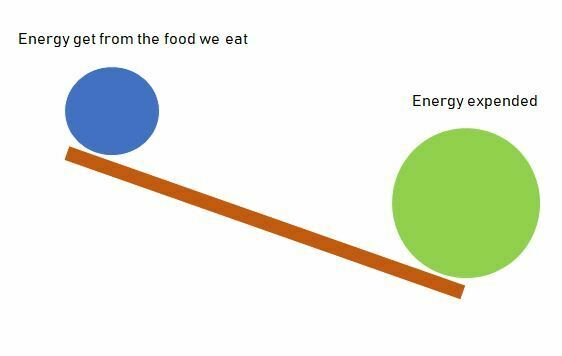
However, it is not enough to explain being underweight as just an energy imbalance. Being underweight can occur for many different reasons.
Being underweight can often be seen if the individual does not get enough nutrients necessary to continue his life activities healthily. The situation that occurs as a result of not getting enough energy and nutrients is called “malnutrition.”
A body weight 10–25% below the expected normal weight is classified as mild malnutrition; 25–40% below is moderate malnutrition, and 40–60% below is severe malnutrition.
However, it should not be forgotten that; the cause of being underweight may also be conditions such as frequent and long-lasting illness, infections, secretion and absorption disorders in the digestive system and intestinal parasites.
Depending on the degree, malnutrition has different symptoms in the body, such as weakening the immune system. Prolonged full hunger is defined as “marasmus” and can result in death. A person’s body weight less than 60% of the average body weight is defined as marasmus. A significant portion of infant and child deaths are caused by malnutrition and marasmus.
Another dietary cause of weight loss is eating enough food by quantity but not obtaining an adequate range of nutrients. Water, carbohydrates, fats, proteins, vitamins and minerals must all be obtained in a balanced way. A diet restricted to certain foods may prevent this and lead to weight loss.
Conditions such as depression and stress can reduce appetite and contribute to weight loss. When the desire to eat is absent, the person may not obtain the nutrients they need. Medicines and other substances that suppress appetite can also cause underweight.
Risk Factors in Being Underweight
1. Family and genetic inheritance
Gene inheritance and the lifestyle of the family can naturally affect the body structure and lifestyle of the individual.
2. High basal metabolic rate
A high basal metabolic rate can cause an individual not to gain weight. These individuals usually do not gain much weight even when eating high-energy foods.
3. Physical activity
Individuals who work in demanding jobs and engage in high levels of physical activity, such as athletes or runners, can burn a significant amount of calories resulting in weight loss.
4. Illness
Some diseases can cause weight loss by causing constant nausea, vomiting and diarrhea. Some conditions can also reduce an individual’s appetite. Cancer, diabetes, thyroid disorders and ulcerative colitis can cause weight loss. Also, mental illnesses such as depression, anxiety, obsessive-compulsive disorder (OCD) and anorexia and bulimia can cause eating disorders and weight loss.
Treatment of Being Underweight
Just like in the treatment of obesity, the first and most important step in treating being underweight is to make a decision. If the individual cannot gain weight even though they think that they have an adequate and balanced diet, they should definitely undergo a doctor’s examination to diagnose the cause of this situation.
As a matter of fact, the reason for being underweight can be malnutrition as well as different causes such as metabolic problems, diseases and parasites.
The healthiest and most effective approach to gaining weight is therefore to work under the supervision of a doctor and dietitian. If an illness is causing the underweight, it must be treated first. People should not design their own nutrition program based on written or visual publications; they should follow the plan established by their healthcare professionals.
One of the biggest mistakes individuals make in gaining weight is consuming a large number of eggs as a cheap and high protein source. The egg is a very rich food and contains almost all nutrients in a balanced way.
However, one egg contains about 200 mg of cholesterol. Eating five eggs a day for the sake of gaining weight means taking about 1000 mg of cholesterol into the body. It is recommended that cholesterol intake should not exceed 300 mg per day. In this context, it is obvious that this wrong diet will invite severe cardiovascular diseases in the future.
Note: This article is intended solely for general informational purposes. It does not constitute medical advice or personalized nutritional guidance. Nutritional needs may vary from person to person. Always consult a healthcare professional or a registered dietitian before making any dietary changes.
References
Raymond, J. L., & Morrow, K. (2023). Krause ve Mahan Besin ve Beslenme Bakım Süreci (16. baskı; G. Akbulut, Çev. Ed.). Nobel Tıp Kitabevleri.
Aksoy, M. (Ed.). (2022). Beslenme Biyokimyası (7. baskı). Ankara Nobel Tıp Kitabevleri.
Sencer, E., & Orhan, Y. (2005). Beslenme. İstanbul Medikal Yayıncılık.
World Health Organization. (2026). Obesity and overweight. Fact sheet, October 7, 2026.
World Health Organization. (2011). Waist circumference and waist-hip ratio: Report of a WHO expert consultation. World Health Organization. ISBN9789241501491.
National Institute of Diabetes and Digestive and Kidney Diseases. (2023). Factors Affecting Weight & Health. National Institutes of Health. Reviewed May2023.
National Health Service. (2023). Healthy ways to gain weight. NHS. Reviewed March28,2023.
Here is an article that might interest you; Energy Metabolism – II: Energy Expended by the Body

Halil İbrahim Akgül
Halil Ibrahim Akgul, Ph.D., is an Assistant Professor of Food Engineering at Bayburt University, where he works in the Division of Food Sciences within the Faculty of Engineering. He received his B.Sc. in Food Engineering from Akdeniz University in 2010, followed by an M.Sc. and a Ph.D. in Food Engineering from Atatürk University in 2015 and 2020, respectively. His formally recognised academic fields are Food Sciences and Engineering, Food Technologies, Dairy and Dairy Products Technology, and Food Microbiology.
Dr. Akgul has more than fifteen years of professional, research, and academic experience in food science. Between 2011 and 2013, he worked as the food engineer responsible for operations at the Pilot Dairy and Bread Factory of Atatürk University’s Directorate of Agricultural Enterprises. This industrial experience, combined with his subsequent academic research, gave him extensive practical and scientific knowledge of milk processing, dairy production, food quality, hygiene, and product development.
His research is primarily focused on milk and dairy products, dairy microbiology, starter cultures, lactic acid bacteria, exopolysaccharides, butter technology, and the physicochemical, microbiological, sensory, and nutritional properties of foods. His studies have examined the quality and fatty-acid composition of traditional butter, aroma formation in butter produced with different starter cultures, raw-milk quality, the characterisation and antioxidant activity of bacterial exopolysaccharides, traditional dairy products such as çökelek and karın kaymağı, colostrum powder, and the use of fruit-derived ingredients in ice cream production.
His academic record includes peer-reviewed research articles published in national and international journals, including Mljekarstvo, Acta Scientiarum Technology, the Journal of Food Safety and Food Quality, the International Journal of Food Engineering, the Atatürk University Journal of Agricultural Faculty, and ATA Food Journal. Four of the research articles currently listed in his university profile were published in SCI-Expanded-indexed journals. He has also contributed to twelve national and international conference papers and presentations covering dairy products, food microbiology, butter quality, fatty-acid composition, starter cultures, exopolysaccharide-producing bacteria, colostrum, traditional foods, and functional ice-cream formulations.
Dr. Akgul has participated as a researcher or adviser in eleven completed scientific and applied research projects. These projects have addressed the modernisation of pilot dairy-processing facilities; the production and quality characteristics of colostrum powder; the physicochemical and microbiological quality of butter and raw milk; the identification of exopolysaccharide-producing lactic acid bacteria; the development and production optimisation of starter cultures for mould-ripened cheese; the standardisation of traditional dairy products; and the use of sloe berry and persimmon fibre in ice-cream production.
His teaching experience spans undergraduate, associate-degree, and graduate education. The courses he has taught include Food Chemistry, Analytical Chemistry, General Chemistry, Organic Chemistry, Fermented Dairy Products Technology, Butter Production and Processing Technology, Healthy Living and Nutrition, Organic Agriculture and Food, Popular Science, Digital Literacy, and Information Technologies. Through these courses, he combines fundamental food chemistry and engineering principles with dairy technology, nutrition, scientific literacy, and the practical communication of scientific knowledge.
He is the founder and Editor-in-Chief of Gıda ve Sağlık, a multilingual digital publication devoted to food, nutrition, health, food chemistry, food microbiology, and culinary science. Through this platform, he draws upon his academic background, teaching experience, research activity, and practical knowledge of food production to present scientifically grounded information in a detailed and accessible form for an international readership.