Proteins are the primary building material of organisms. Different proteins have different functions. If we think of the body as a building, we can accept most of the materials and components in the construction, such as iron, brick, cement, windows and elevators, as protein in the organism. Proteins are mainly composed of carbon (C), hydrogen (H), oxygen (O), nitrogen (N) and sulfur (S). However, phosphorus…
Carbohydrates are organic molecules consisting of carbon (C), hydrogen (H) and oxygen (O). Plants produce carbohydrates by using carbon dioxide and water through photosynthesis. While some of the carbohydrates produced are converted into protein, fat and other organic compounds, some are turned into polysaccharides for storage. Carbohydrates are consumed by organisms that cannot photosynthesize, primarily to obtain energy. Although it is a natural component in…
Some Characteristics of Water Water, one of the four fundamental components found in foods, is extremely important both because of its vital necessity in terms of nutrition and because of its influence on the physical, chemical, and microbiological properties of the food in which it is present. In order to understand why water is so important, its main properties and characteristics must be known. Water…
In the last 150 years, nearly 50,000 scientific publications on Lactic acid bacteria have been published within the scope of SCI and it is reported that 3,453 of these publications are only for 2023 (Web of Science, 2024). Today, thousands of scientists are still studying intensively on the subject and significant discoveries have been made. Considering that the starter culture market, based on lactic acid…
History of Starter Cultures By the 19th century, discovering microorganisms and clarifying fermentation chemistry enabled us to understand fermented products. With the developing technology, the possibilities have expanded; the journey to reach a healthier and standard fermented product production method by controlling spontaneous production has begun. Today, fermented foods such as dairy products, meat products, cereal products, fruit and vegetable products, alcoholic beverages and soy-based…

Vitamin A (Retinol) Vitamin A is a fat-soluble vitamin and can be stored in the liver. Vitamin A-rich foods are fish, liver, butter, eggs, milk and dairy products. About 50 of the 600 carotenes found in plant foods are in vitamin A form. These carotenoids are called provitamin A and are converted to vitamin A by taking 1 mole of water into their structures with…

Although minerals are found in meager amounts in foods, they are vital components for health. Minerals cannot be produced in the body and therefore must be taken from outside with food. Minerals have different roles and functions in the body. Therefore, many various ailments and diseases can occur in their deficiencies. In this respect, it will be helpful to examine each mineral separately. 1. Calcium…
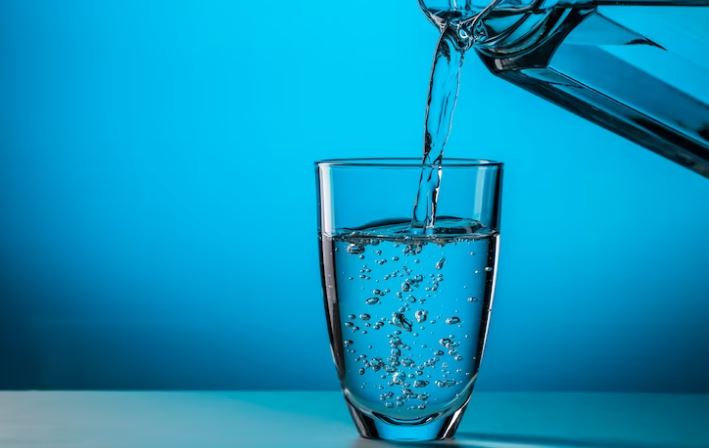
Importance of Water for Health The subject of water and health is vital. Humans can live for 5 minutes without breathing, 6 days without drinking water, and 40 days without eating. Water is the most critical food for life. Depending on age and gender, approximately 65% of an individual is water, although it varies in small amounts. When evaluated based on an adult weighing 70…
Tarihte Gıda Kaynaklı Hastalıklar Gıdalar, sağlık ve şifa kaynağı oldukları gibi, kimi durumlarda sağlığı olumsuz etkileyebilmekte; önemli hastalık, rahatsızlık ve ölümlere neden olabilmektedir. Gıda ve sağlık ilişkisi -anlaşılabildiği ölçüde- yaklaşık 7 bin yıldır bilinen bir olgudur. M.Ö. 5000’li yıllarda bazı bitkilerin şifa almak amacıyla tüketildiği ve ticaretinin yapıldığı bilinmektedir. Gıda kaynaklı hastalıklar ve ölümler tarih boyunca hep olmuştur. Her ne kadar elimizde yeterli veri bulunmasa…